Discover Hadano
Nature, hiking, hot springs & culture — just 65 minutes from Tokyo
About Hadano 秦野について
Hadano is a small city in western Kanagawa Prefecture, nestled between the Tanzawa mountain range and the Sagami plain. It is famous throughout Japan for its exceptionally pure spring water — one of Japan's 100 finest waters — and for the gentle hiking trails that wind through its forested hills.
With fewer foreign tourists than Kamakura or Hakone, Hadano offers an authentic glimpse of everyday Japanese life alongside stunning natural scenery. Cherry blossoms in spring, fireflies in June, autumn foliage, and clear winter views of Mt. Fuji make it a rewarding destination year-round.
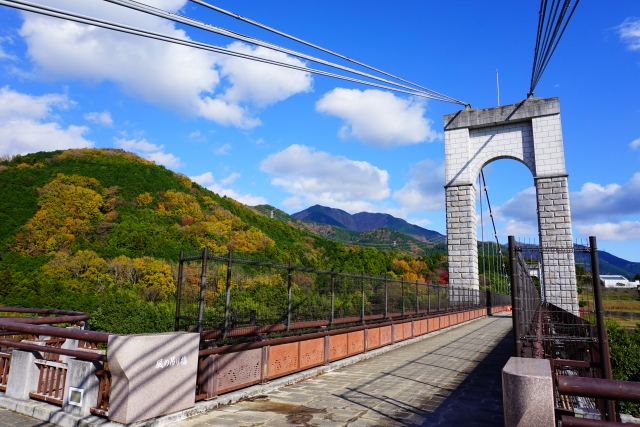
📍 Must-See Spots 見どころ
From mountain viewpoints to sacred shrines and peaceful lakes — Hadano's highlights in one glance.
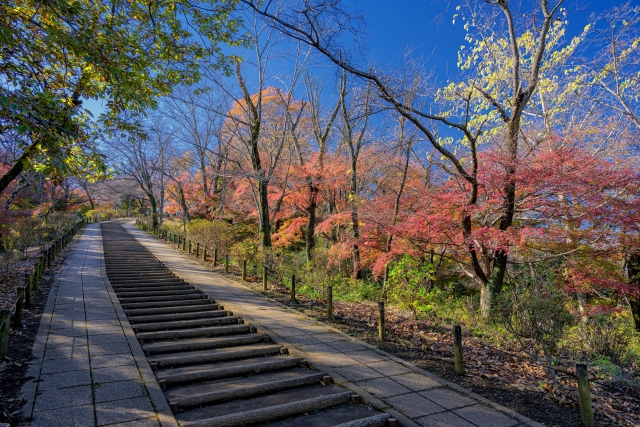 🌸 Nature
Koboyama Park
弘法山公園✨ Cherry blossoms & panoramic views
A forested ridge stretching from Sengen-yama to Azuma-yama, famous for roughly 1 km of cherry trees that bloom in spring. On clear days the summit offers sweeping views of Mt. Fuji, Sagami Bay and the Tanzawa mountains.
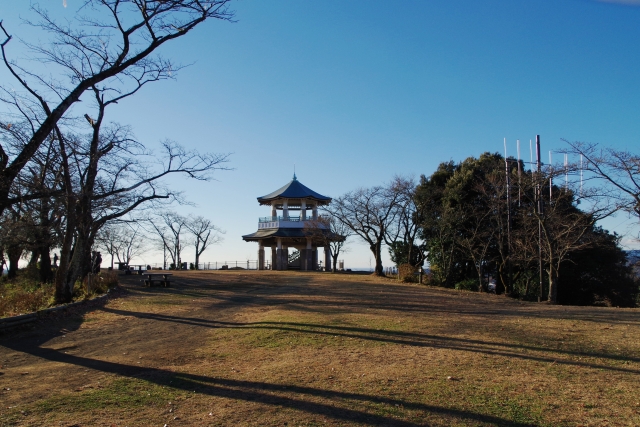 🗻 Nature
Gongenyama Observation Deck
権現山展望台✨ Best Mt. Fuji view in Hadano
At 243 m, Gongenyama offers one of the finest views of Mt. Fuji in the Hadano area. The hilltop observation deck is an ideal rest stop on the Koboyama Hiking Trail.
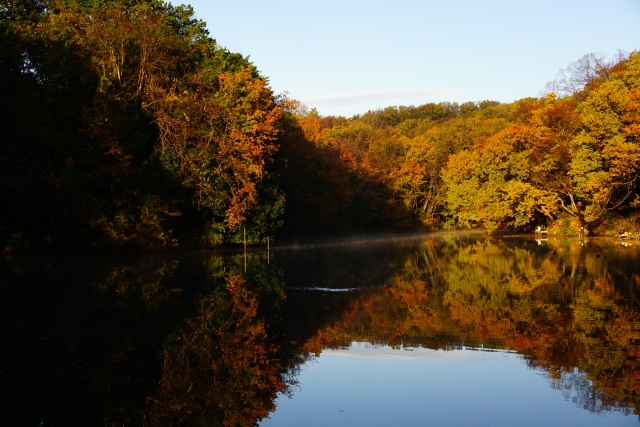 🎣 Nature
Shinsei-ko Lake
震生湖✨ Earthquake-born lake & fishing
A quiet lake formed by a landslide during the Great Kanto Earthquake of 1923. Surrounded by dense forest, it is a peaceful retreat popular for fishing (crucian carp, bass) and nature walks.
 ⛩️ Culture
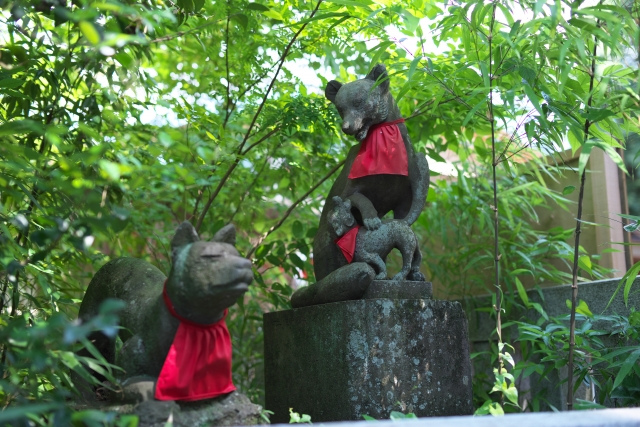
Shirasasa Inari Shrine
白笹稲荷神社✨ One of Kanto's three great Inari shrines
Counted among the three great Inari shrines of Kanto, Shirasasa Inari Shrine is known for its dignified vermilion torii gates and tranquil forested grounds. The January New Year festival draws thousands of visitors.
 🌊 Nature
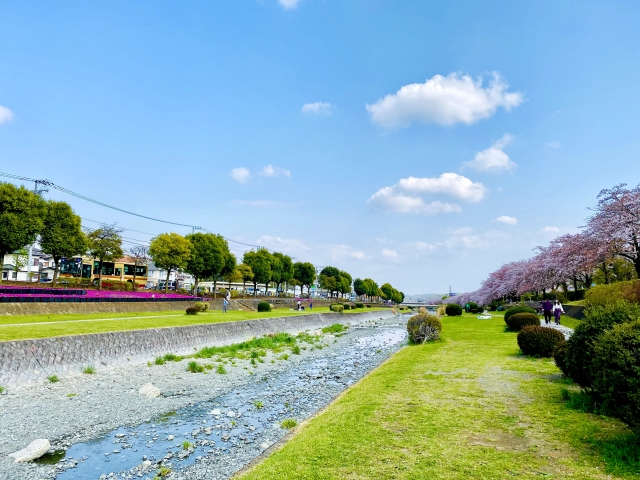
Minasegawa Promenade
水無川かわまちテラス✨ Riverside café district & fireflies
The Minase River runs through the heart of Hadano city. Its riverside promenade has been revitalized with cafés and relaxation spaces. In June, fireflies (hotaru) light up the riverbank after dark — a magical sight rarely seen near urban areas.
 ♨️ Onsen
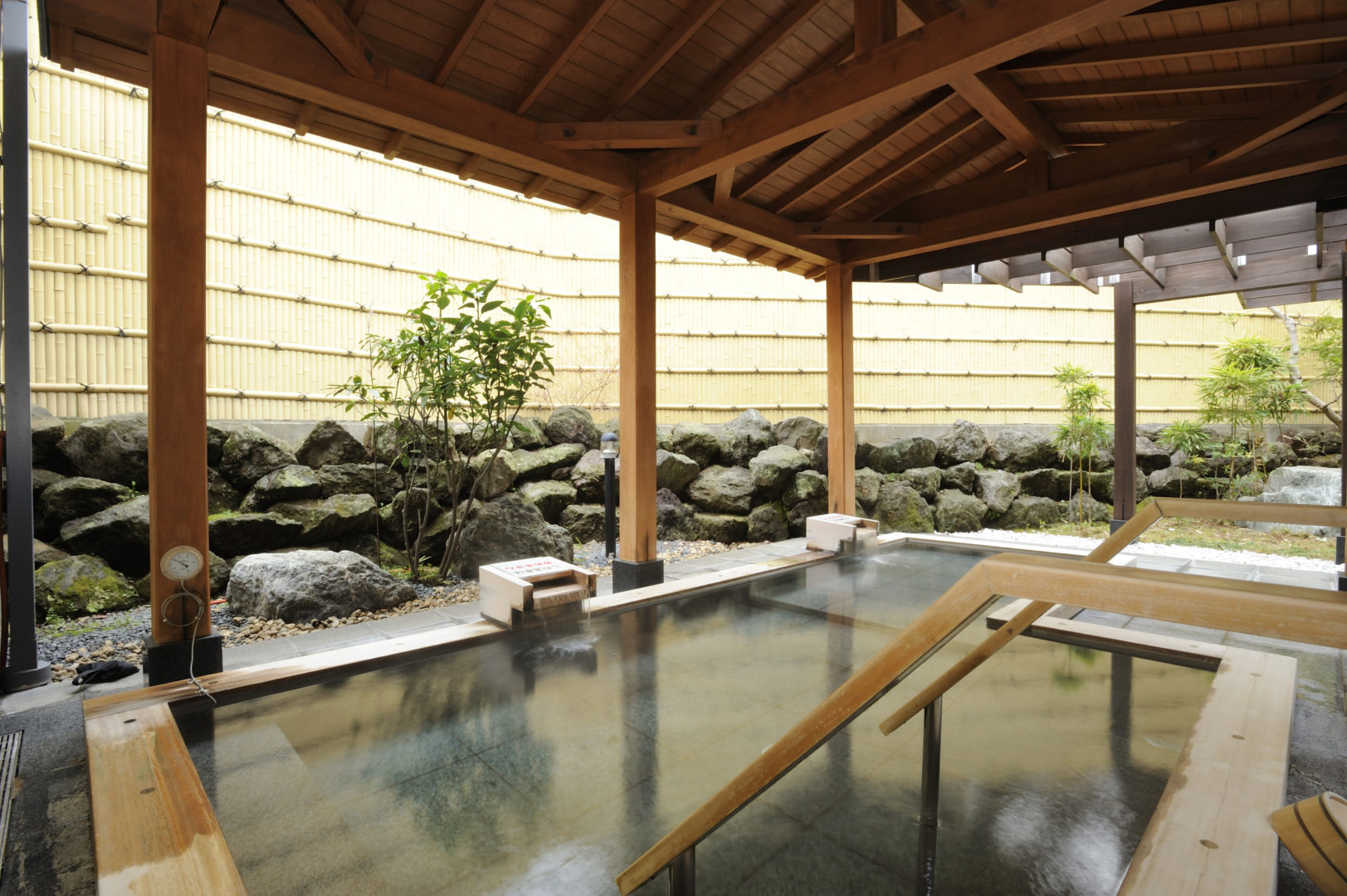
Tsurumaki Onsen
鶴巻温泉✨ Natural hot spring – perfect hike finale
Tsurumaki Onsen is a small hot-spring town at the eastern end of the Koboyama Hiking Trail. Several day-trip bathing facilities (¥700–1,000) let hikers relax tired muscles in sodium-bicarbonate spring water before catching the train home.
🥾 Hiking Trails ハイキングコース
All trails are accessible directly from Odakyu Line stations — no car needed.
弘法山ハイキングコース
秦野駅から鶴巻温泉駅へ、歴史ある山稜を縦走
震生湖さんぽコース
関東大震災で生まれた湖と名水の里をめぐる
鶴巻温泉ぐるりコース
温泉の町を起点に吾妻山からの眺めと里山さんぽ
🕌 Halal & Muslim-Friendly Dining ハラール・ムスリムフレンドリー
Hadano is a small city and dedicated halal restaurants are limited. The listings below are curated to help Muslim visitors find suitable options — always verify current status before visiting.
Kebab & More Hadano
ケバブ&モア 秦野店Popular doner kebab shop near Hadano Station. Chicken and lamb options available. No pork, no alcohol on the premises.
Curry House Spice Garden
カレーハウス スパイスガーデンAuthentic Indian curry restaurant. Halal meat used on request; vegetarian and vegan curries always available. Staff speak basic English.
Ramen Yoshi (Pork-free option)
らーめん よしA local ramen shop offering a chicken-broth bowl (no pork) available on request. No alcohol served. Please inform staff of dietary requirements.
Convenience Stores (7-Eleven / Lawson)
コンビニ(7-Eleven / ローソン)Several convenience stores near Hadano Station stock onigiri (rice balls) with seafood or vegetable fillings, as well as fresh fruit, nuts, and drinks. Look for the ingredient label and check for pork (豚肉) and alcohol (アルコール).
Tips for Muslim Visitors
- Many Japanese dishes contain fish-based dashi (broth). Ask staff: 「だしは何ですか?」 (What kind of dashi is used?)
- Mirin (sweet rice wine) is common in Japanese cooking — confirm with staff if you avoid alcohol in any form.
- Convenience stores stock many suitable snacks: onigiri with tuna/salmon/pickled plum, fresh fruit, nuts, and soft drinks.
- Nearby Odawara and Atsugi cities have a wider selection of halal-certified restaurants (~30 min by train).
- Prayer spaces are not common in Hadano. The nearest mosque is in Atsugi city.
🌱 Vegetarian & Vegan Dining ベジタリアン・ヴィーガン向け
Plant-based dining options in Hadano — from traditional Buddhist cuisine to organic cafés. Always confirm ingredients with staff when in doubt.
Shojin Ryori — Temple Cuisine Experience
精進料理体験Several temples in and around Hadano offer shojin ryori — the traditional vegan cuisine of Buddhist monks. Dishes use no meat, fish, or strong-flavoured vegetables (alliums), relying instead on tofu, sesame, mountain vegetables and dashi made from kombu seaweed. A deeply cultural dining experience.
Tanzawa Tofu Café
丹沢とうふカフェA cosy café specialising in locally made tofu from Tanzawa spring water. Menu highlights include tofu parfait, silken tofu set meals, soy milk drinks, and fresh yudofu (hot tofu pot). All vegetarian; some dishes are vegan on request.
Organic Kitchen Hadano
オーガニックキッチン 秦野A health-food restaurant using locally grown organic vegetables from the Hadano basin. The daily plate (日替わりプレート) is always vegan and gluten-free-adaptable. Smoothies and herbal teas are specialities. Menu changes seasonally.
Mountain Soba — Vegetarian Broth on Request
山そば(ベジタリアン出汁対応)A traditional buckwheat noodle restaurant near the hiking trails. Standard broth uses bonito (katsuobushi), but the kitchen can prepare a kombu seaweed broth on request — just say 「ベジタリアンです。昆布だしにできますか?」 ("I am vegetarian. Can you use kombu dashi?"). Toppings like tempura vegetables, grated yam, and cold tofu are available.
Convenience Stores — Vegetarian-Friendly Picks
コンビニ(ベジタリアン向けアイテム)Japanese convenience stores stock surprisingly good vegetarian snacks: onigiri with pickled plum (梅) or kelp (昆布), inari sushi (sweet tofu pockets), fruit cups, edamame, and various nuts. Avoid anything labelled with 鰹 (bonito) or 豚 (pork).
Tips for Vegetarians & Vegans in Japan
- Dashi (だし) is a broth used in almost all Japanese dishes. The most common type is made from katsuobushi (bonito fish flakes). Ask: 「だしは昆布だけですか?」 ("Is the dashi made from kombu only?")
- Mirin (みりん, sweet rice wine) and sake are used in many sauces and marinades — confirm if you avoid alcohol.
- Useful phrases:
- 🥦 Vegetarian: 「私はベジタリアンです」
- 🌱 Vegan: 「私はヴィーガンです。肉・魚・乳製品・卵を食べません」
- 🐟 No fish stock: 「魚のだしは使わないでください」
- Supermarkets (スーパー) near Hadano Station carry tofu, edamame, miso, fresh vegetables and fruits — ideal for self-catering or picnic supplies before a hike.
- Inari sushi (稲荷寿司 — sweet tofu pockets filled with rice) sold at convenience stores is typically vegan-friendly.
🚃 Getting to Hadano アクセス
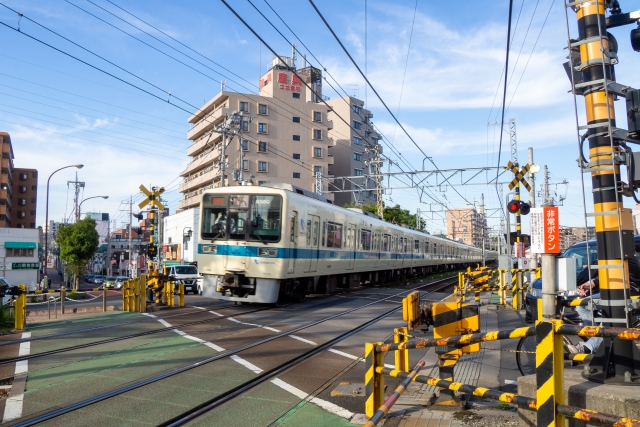
By Train from Shinjuku
Nearby Destinations
Historic castle town, gateway to the Hakone area.
Volcanic scenery, hot springs, and views of Mt. Fuji.
Challenging hikes and ancient mountain shrines.
Giant Buddha, temples, and the Pacific coast.